Hey Human! Artist in Residence

07.06.–26.2026

I’m excited to join Hey Human!, a nonprofit artist-in-residence program by Domestic Data Streamers. The residency brings together an interdisciplinary community exploring how data can be translated into meaningful human experiences. Over the coming weeks, I’ll be working alongside the Domestic Data Streamers team to investigate new ways of thinking about images, AI, memory, and the narratives hidden within data.

Fotofabrica Photobook Prize Shortlist

05.26.2025–06.12.2026

Seeing Against Seeing is shortlisted for Fotofabrica Prize and will be on display at Festival Dieci x Dieci in Gonzaga, MN Italy

Solo Exhibition at The Temporary Institute for Unification of Knowledge

05.15.–06.05.2026

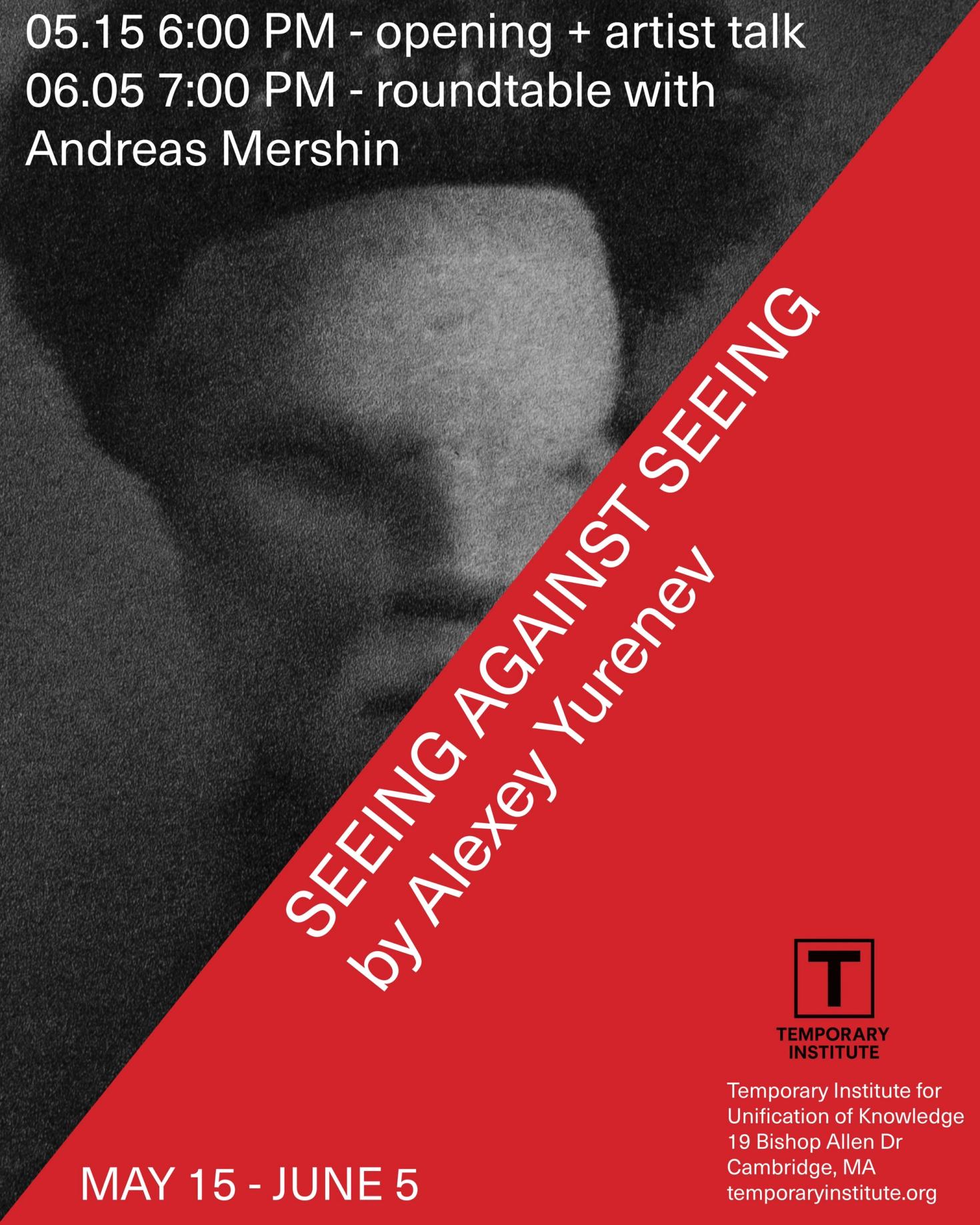
Seeing Against Seeing

An exhibition by Alexey Yurenev

May 15 – June 5, 2026

Opening and Artist Talk: 6 PM, May 15 Closing and Roundtable with Andreas Mershin: 7 PM, June 5

Temporary Institute for Unification of Knowledge

19 Bishop Allen Drive, Cambridge, MA

Link to RSVP for Opening and/or Closing

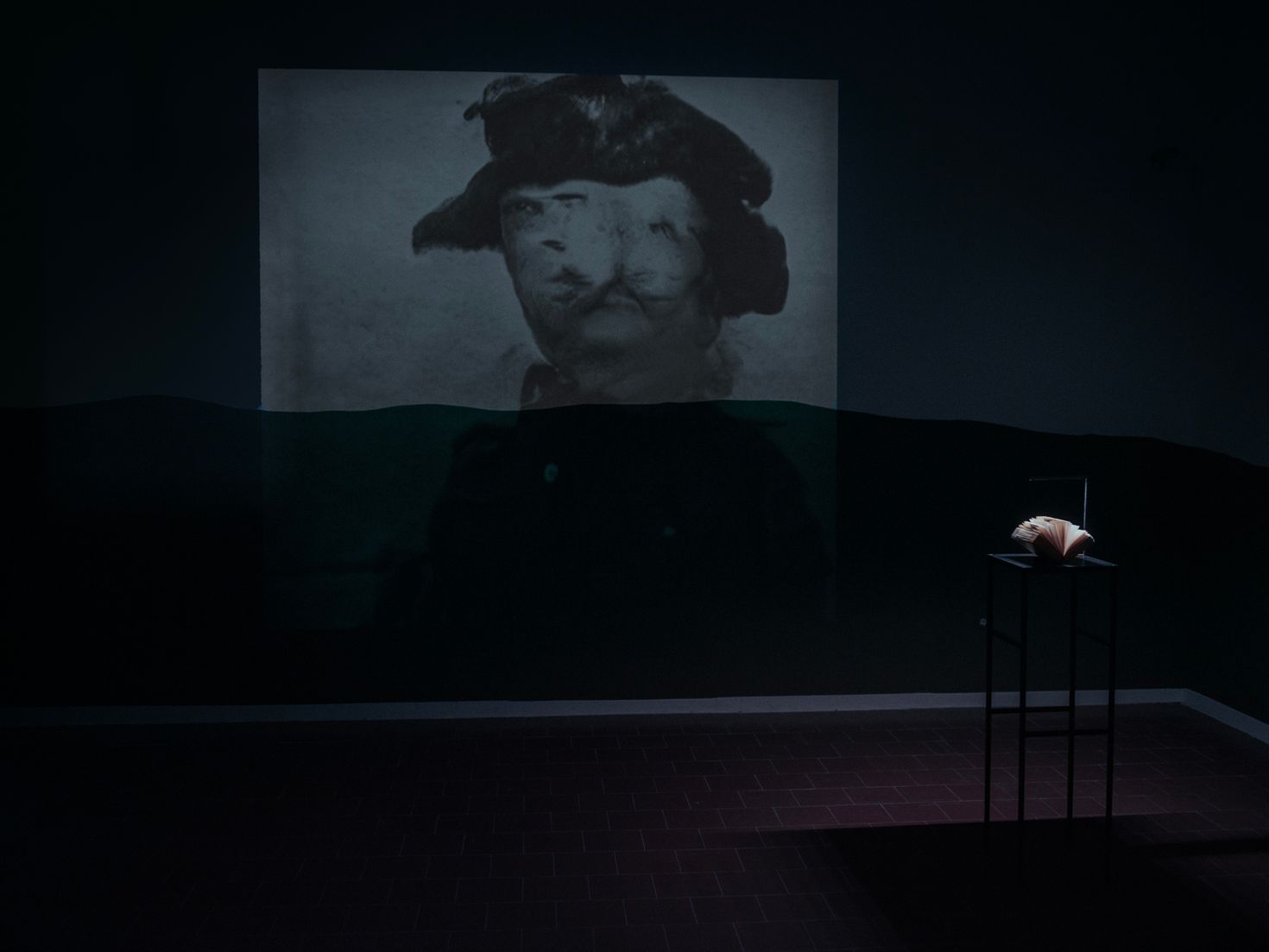
Cambridge, Mass. – Temporary Institute for Unification of Knowledge presents Seeing Against Seeing, an installation by Alexey Yurenev centered around an artist’s book anda two-channel presentation of the film, “No One is Forgotten.”

Created in collaboration with designer Teun van der Heijden and the Anti-Kriegs-Museum in Berlin, the work is one of several outcomes of “Silent Hero,” an ongoing visual research project investigating Yurenev’s grandfather’s unspoken experience during the Second World War. This is the project’s Cambridge premiere.

Rooted in the documentary tradition, the project confronts the challenge of visualizing what cannot be seen: absences in family and state archives, repressed memories, and events without witnesses. If photojournalism shows what could not be observed firsthand, one of generative AI’s more provocative capacities is to imagine what never happened, but could have. It is this speculative potential that draws Yurenev into collaboration with artificial intelligence.

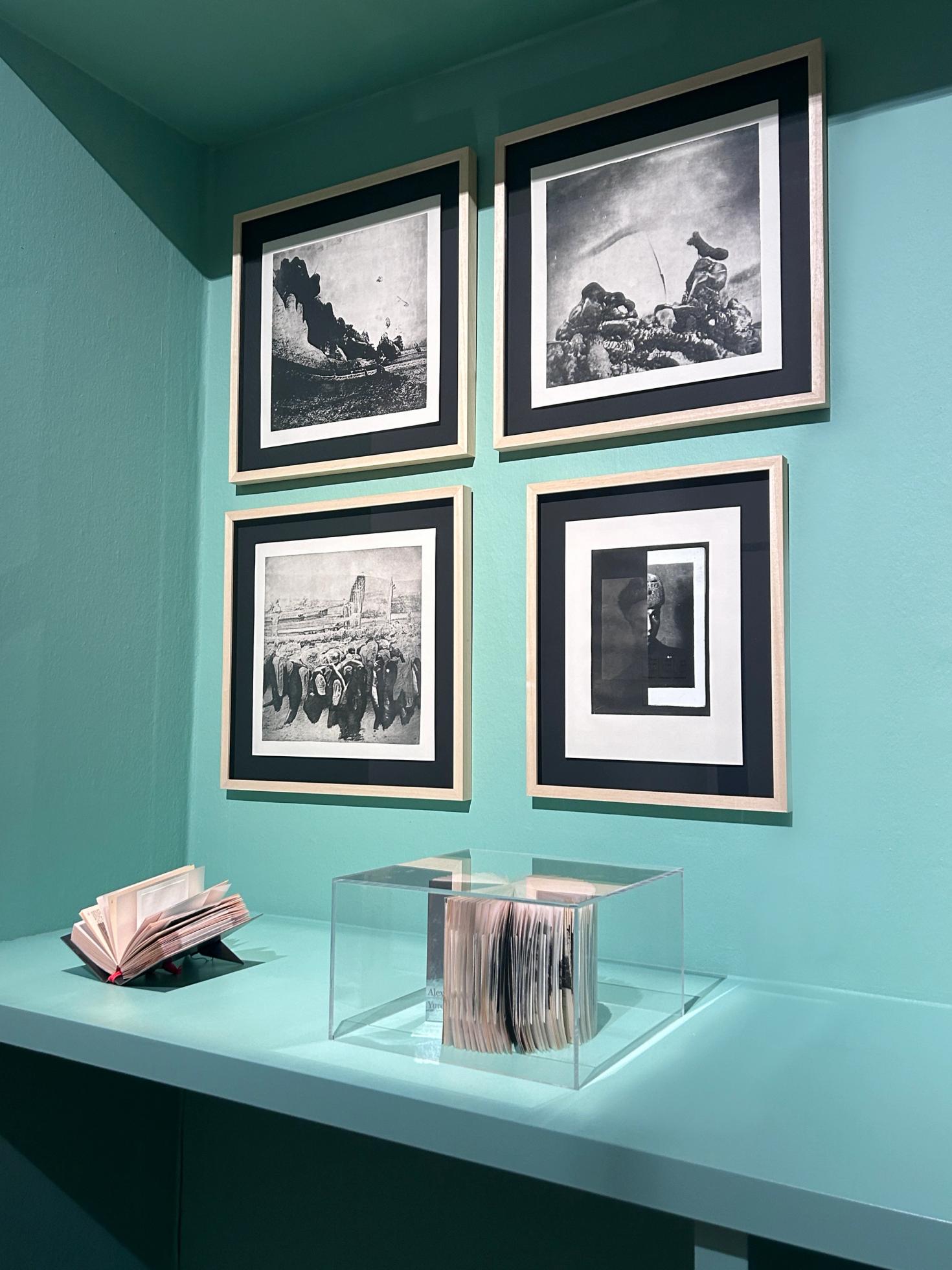
At the center of the work is a dialogue with Ernst Friedrich’s 1924 anti-war manifesto, “War Against War!”, a publication that used graphic photography to dismantle the heroic image of conflict. Yurenev responds by employing a bespoke generative model trained exclusively on 35,000 WWII-era portraits and landscapes. The resulting synthetic images bear a striking resemblance to Friedrich’s collected photographs; they resemble historical photographs while destabilizing the certainty of photographic evidence itself. Rather than reconstructing the past, the images expose the instability of memory, realism, and technological vision.

Yurenev printed the generated images using a photopolymer photogravure technique before presenting them to five centenarian Red Army veterans in Brighton Beach, New York. These veterans, members of the same generation as Yurenev’s grandfather, encounter the synthetic images through a process of image elicitation, where the AI-generated scenes function as prompts to recall, reconstruct and renegotiate their wartime memories and personal narratives. Their reactions, recollections and interpretations were recorded and later incorporated into the film, “No One is Forgotten.”

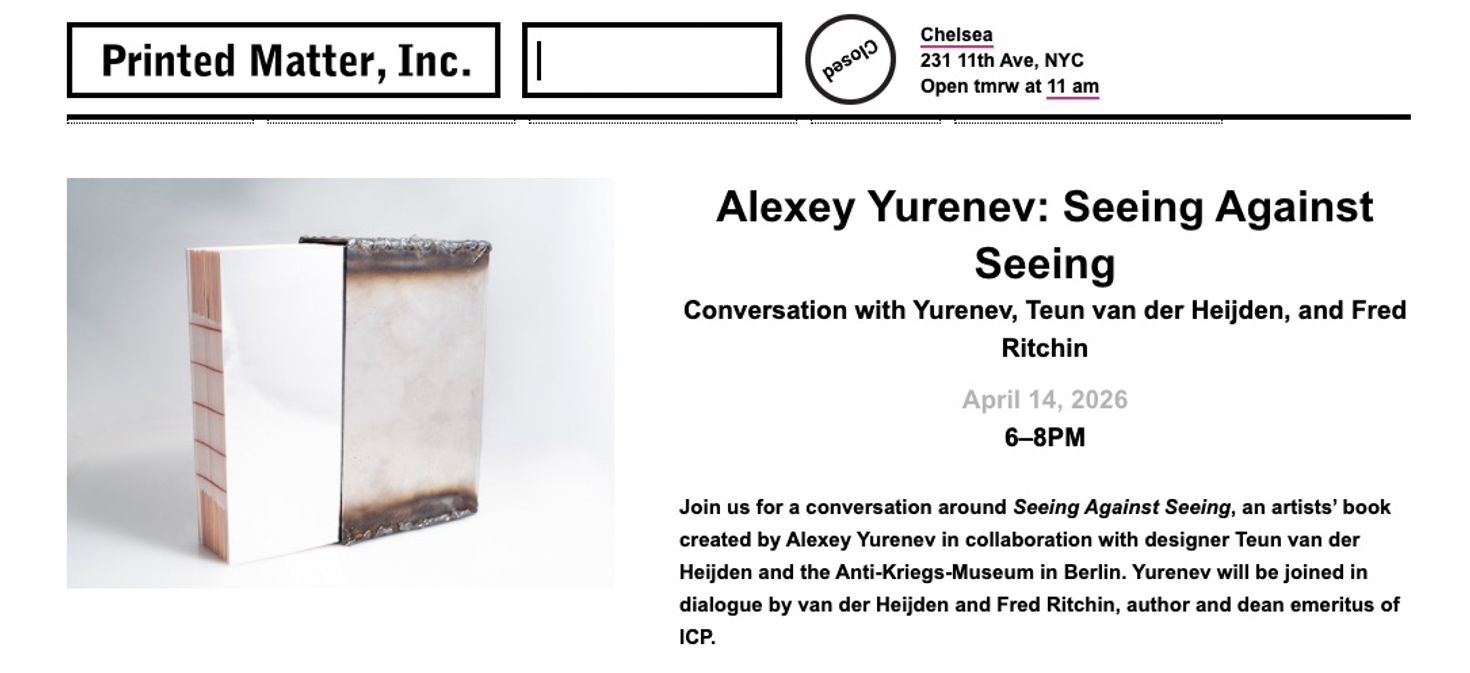
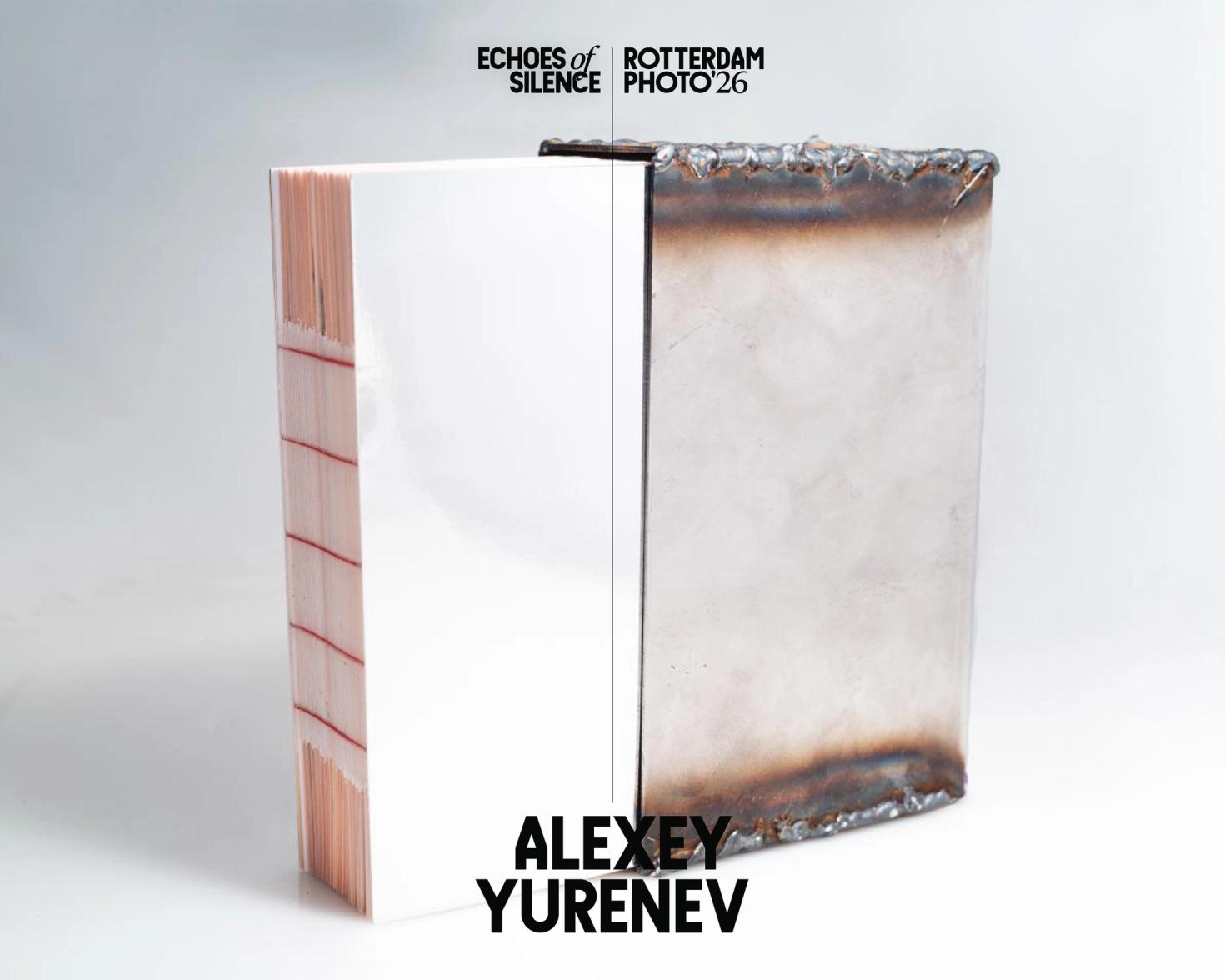
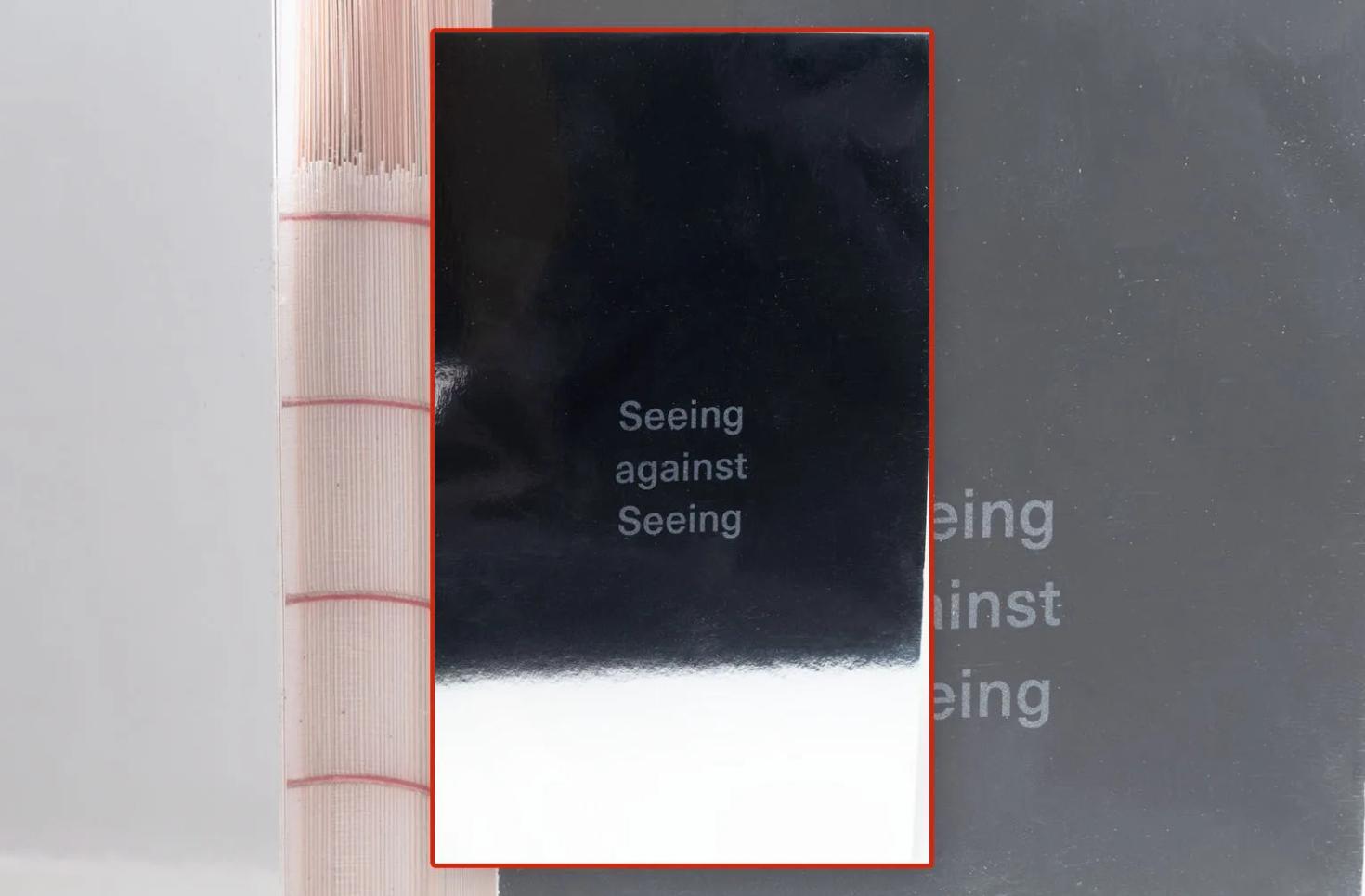
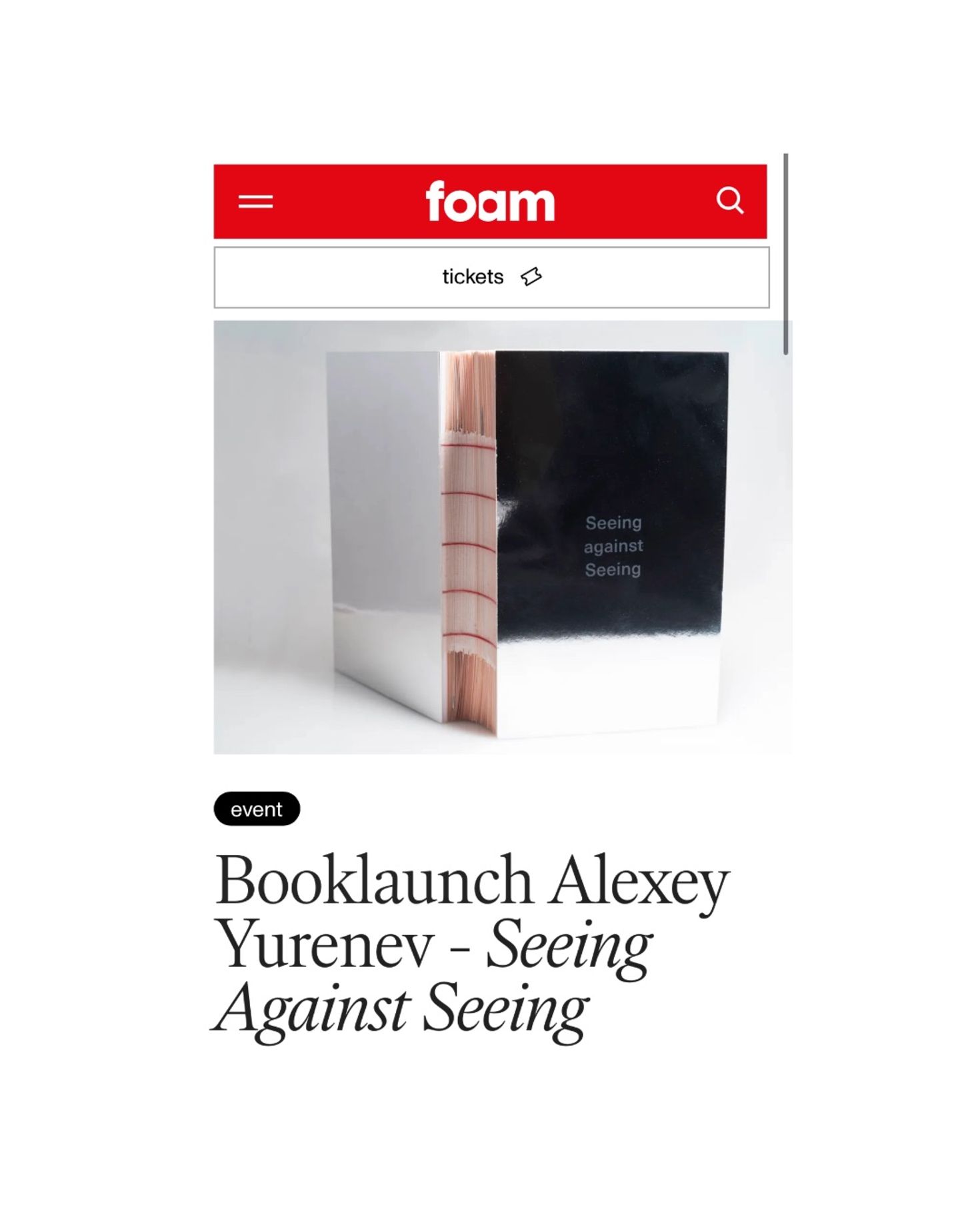
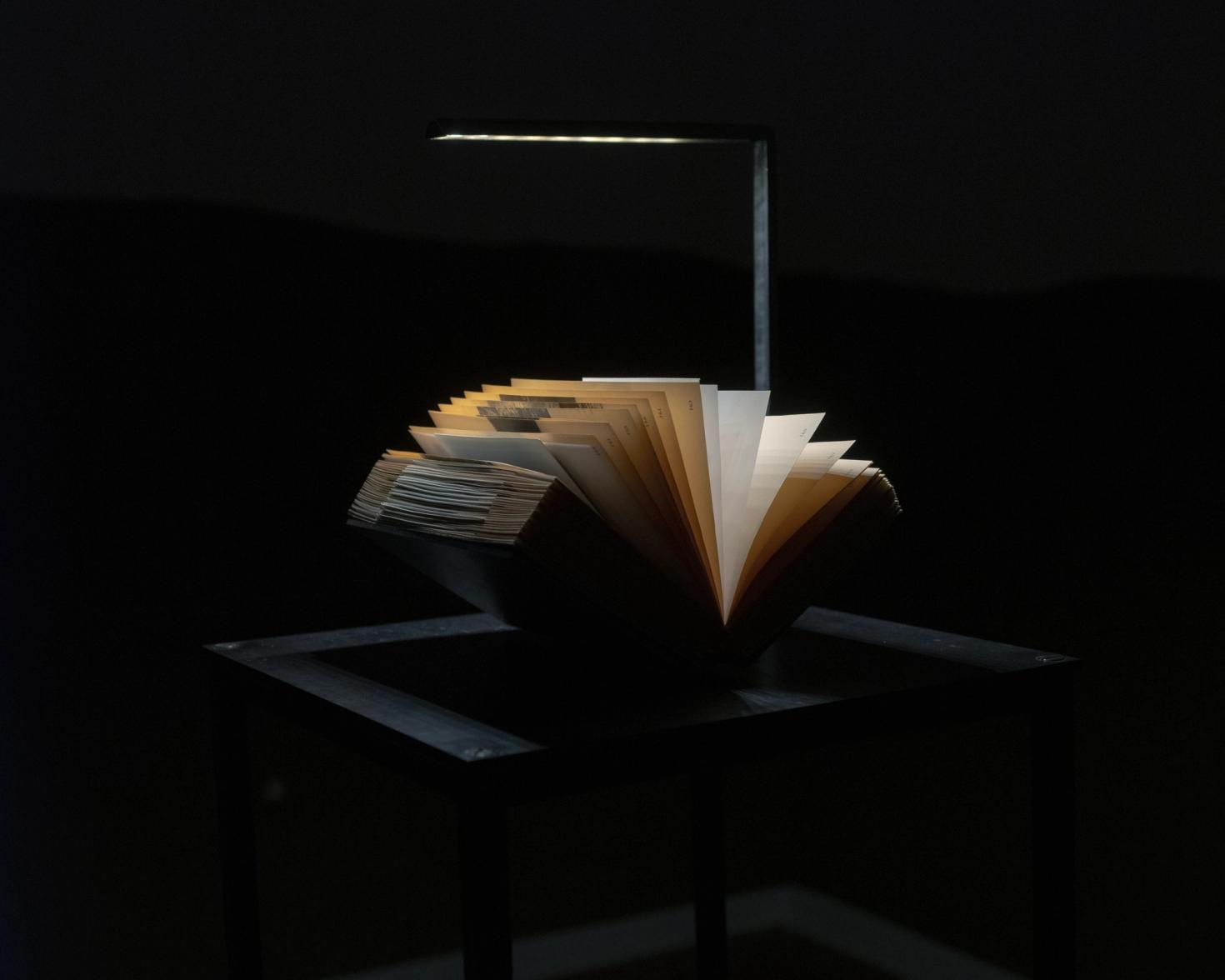
The hand-bound artist’s book incorporates fragments of “War Against War!”, translucent pages printed in silver ink, polymer prints, and testimonies from veterans. Housed inside a welded iron case designed to rust over time, the object carries the physical weight of the histories it engages.

Together, the installation, book, and film form a meditation on vision itself: how we see, what remains unseen, and how seeing might be turned against itself.

About the Artist:

Alexey Yurenev is an artist and visual researcher whose work explores the intersections of technology, memory, and the production of knowledge. He teaches at Columbia University and the International Center of Photography. His work has been exhibited internationally at venues including FOAM, Palazzo Poggi, MOMus Modern/Costakis Collection and Rencontres d’Arles. Yurenev has been recognized by Photographer of the Year International, received the Silurian Society Award for excellence in arts and culture journalism, and was nominated for an Emmy Award. He is the author of “Seeing Against Seeing” (Nooscope, 2025).

About the Presenters:

Temporary Institute for Unification of Knowledge (TEMPI) is a collaborative of artist-scientists founded in 2025 in Cambridge, Mass., by Joe Davis, globally recognized pioneer of Bioart, SETI explorer, and resident Artist-Scientist at Harvard Medical School.The institute’s mission is to offer a journey for the open mind by promoting deep interactions across a Vitruvian array of disciplines, embracing art, science, mathematics, and engineering. TEMPI’s core values include facilitating a community of visionary research fellows; incubating art/science collaborations; and producing, documenting,and disseminating groundbreaking developments across the arts and sciences. Temporary Institute for Unification of Knowledge is a Massachusetts 501(c)(3) organization.

Andreas Mershin is a physicist, inventor, and entrepreneur whose work spans biophysics, artificial intelligence, machine olfaction, and sensory technologies. Formerly the director of the MIT Label Free Research Group at MIT’s Center for Bits and Atoms, he is currently the co-founder and Chief Science Officer of RealNose.ai, a company developing AI-driven olfactory sensing systems for medical diagnostics inspired by biological intelligence. Mershin also teaches at MIT Sloan and is the president of OsmoCosm.org, a nonprofit focused on advancing machine olfaction technologies.
Selection Committee Member & Visiting Artist at NiMAC Summer Residencies 2026

06.15.2026

I’m pleased to be joining the Summer Residencies @ NiMAC: In Praise of Shadows as a member of the Selection Committee and a Visiting Artist. I look forward to meeting this year’s residents, taking part in studio visits and discussions, and contributing to the residency program at the Nicosia Municipal Arts Centre.

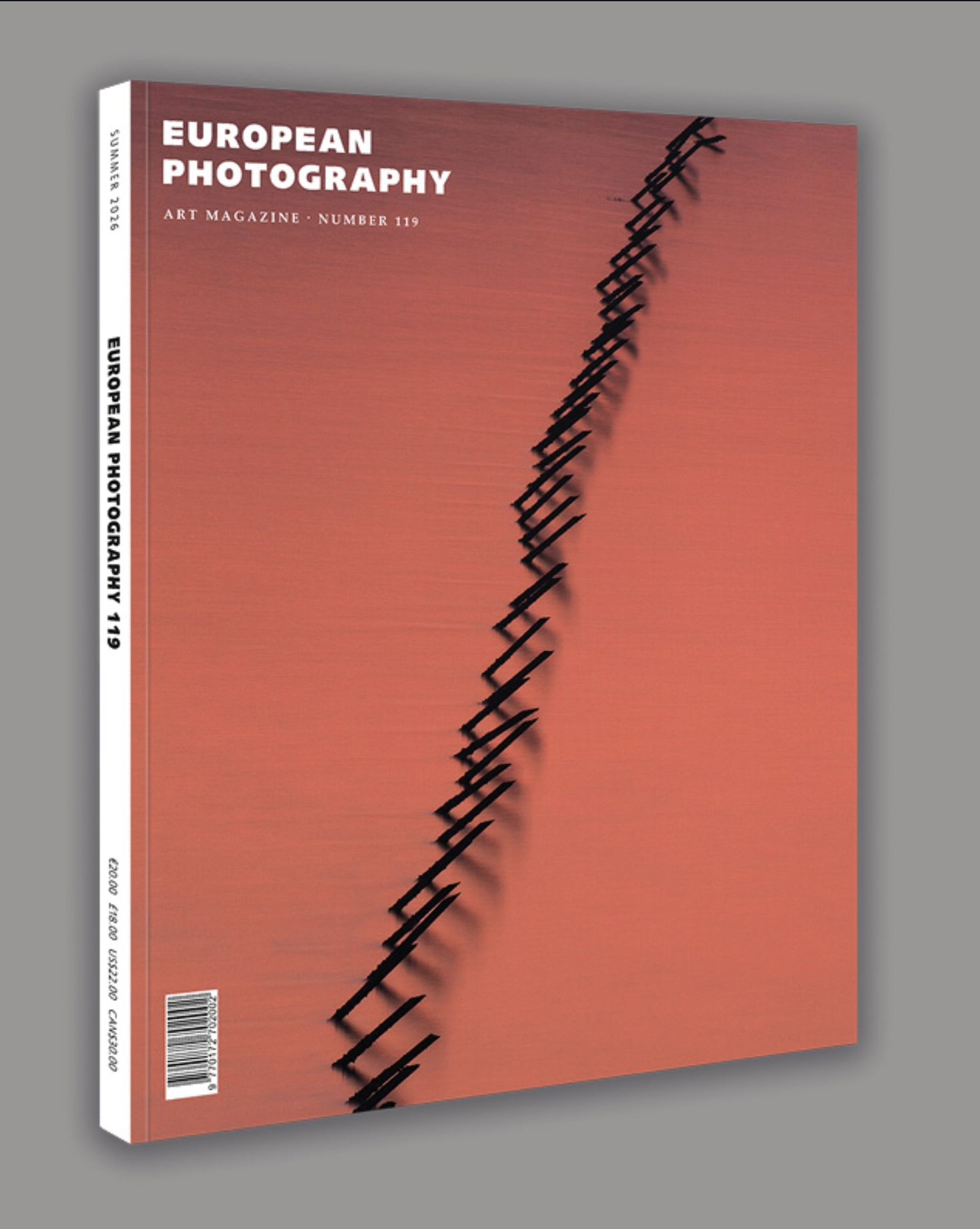
European Photography Magazine, book review by Moritz Neumuller

05.31.2026

Alexey Yurenev – Seeing Against Seeing

Seeing Against Seeing is an artist’s book by Alexey Yurenev, created in collaboration with designer Teun van der Heijden and the outcome of the artist’s long-term visual research project exploring his grandfather’s unspoken experience of the Second World War. In dialogue with Ernst Friedrich’s seminal 1924 anti-war book War Against War!, fifty-one synthetic images printed as photogravures are sewn into the volume, together with 102 sheets of vellum (one before and one after each gravure). The resulting book—an impressively beautiful artefact—also includes a reproduction of a postcard and an original Polaroid, an essay by Bogna Konior, and an interview with Friedrich’s grandson, who reopened the Anti-War Museum in 1982. The object is protected in a welded 2 mm steel book case. So much for the (literally) hard facts.

In contrast to Friedrich’s unflinching archival photographs of the First World War, Yurenev’s AI-generated images refuse the clarity of evidence—not only because they are machine-made hallucinations, but also on the purely visual level (they echo the indeterminate appearance of GAN imagery prior to the Midjourney paradigm shift). Friedrich’s book, according to its introductory text, used photography to paint a picture of war—this “butchery of human beings”—meant to be “objectively true and faithful to nature.” That photography cannot live up to such a claim to truth is something we have long since learned; yet, while we are “exiting the photographic universe” (Fred Ritchin), our belief in the truthfulness and trustworthiness of images has faded to a bare minimum.

The photographs assembled by Friedrich—of battlefields, mass graves, and war invalids—stand in stark contrast to the blurred, milky image worlds of Yurenev. The relationship between image and text is also entirely different: the captions in the original are ironic and accusatory, in a manner later echoed in Tucholsky and Heartfield’s Deutschland, Deutschland über alles and Brecht’s War Primer. The latter, too, served some years ago as the basis for a photobook by Chanarin and Broomberg.

By contrast, the texts introduced by Yurenev are transcripts from his film No One Is Forgotten, in which Soviet Second World War veterans are asked to look at the synthetic images and reflect on them. They make a concerted effort to recognize details in the blurry imagery produced by machine vision, comparing their immediate visual impressions with their personal histories. In this manner, Friedrich’s radically pacifist image activism is interwoven with an art project that inevitably points to Russia’s war of aggression against Ukraine. Does this work? On the material level, the book is impressive—elaborately staged and carefully produced. A coherent dialogue with the hundred-year-older work emerges only gradually; the images assembled by Friedrich are too concrete for an immediate correspondence. Toward the end of the book, however, the images begin to resemble each other more closely, especially where the “visage of war” is presented in the form of war injuries. Disfigured faces despite all the efforts of plastic surgery, which at the time was still in its infancy in Friedrich’s.

All in all, this book is a daring attempt to bring contemporary and historical (image) worlds into a fructiferous dialogue. It would be tempting to link this artistic tour de force to another, far more disturbing phenomenon: the fabrication of history by AI, which is currently proliferating online in grotesque forms—synthetic images of supposedly real events in concentration camps, designed to trigger immediate emotional responses, generate as many views and likes as possible, and thus be monetized. This is a trend viewed critically alike by historians and by those directly affected (for example, relatives of Nazi-era victims whose images have been “enhanced” by AI). In Yurenev’s artistic project, however, precisely the opposite occurs: indeterminate images are activated only through their juxtaposition with archival material, through memories and interpretation. What is encouraged is reflection, not the fleeting click that fills the digital money bag. This commercialization of history is as foreign to Yurenev as it was to Friedrich, who already reminds us in his foreword of the Platonic dictum that the causes of war always lie in the possibility of enrichment. Moritz Neumuller for European Photography Magazine

Seeing Against Seeing Selected as a Boston Globe Critic’s Choice

05.15.2026

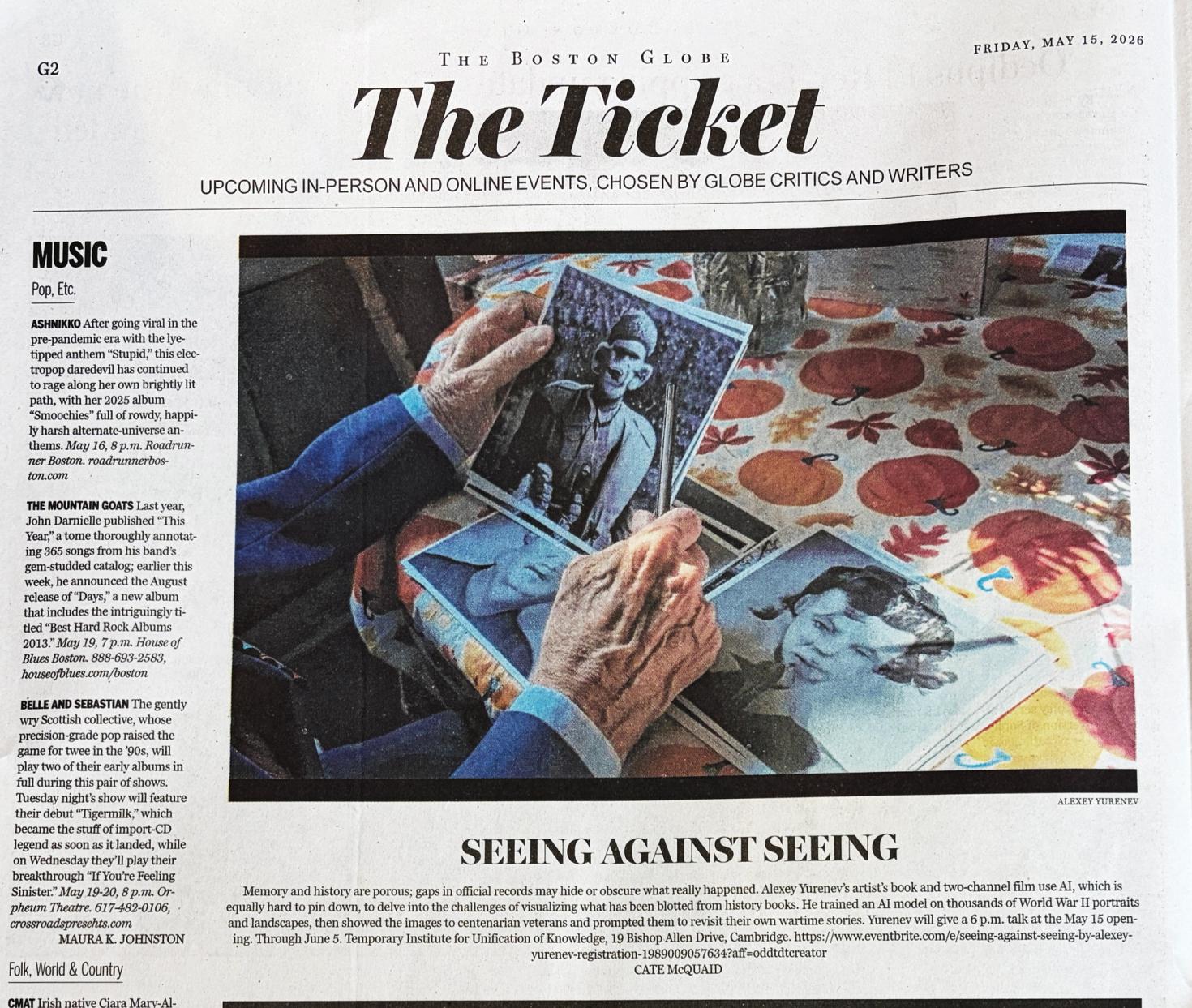
Seeing Against Seeing has been selected as a Critic’s Choice by Cate McQuaid in The Boston Globe.

“Memory and history are porous; gaps in official records may hide or obscure what really happened. Alexey Yurenev’s artist’s book and two-channel film use AI, which is equally hard to pin down, to delve into the challenges of visualizing what has been blotted from history books. He trained an AI model on thousands of World War II portraits and landscapes, then showed the images to centenarian veterans and prompted them to revisit their own wartime stories.”

The feature appeared in The Boston Globe’s The Ticket, highlighting the exhibition at The Temporary Institute for Unification of Knowledge in Cambridge, Massachusetts.

Book Launch at Printed Matter in NYC

04.14.2026

Conversation with Yurenev, Teun van der Heijden, and Fred Ritchin

Printed Matter Inc. 231 11th Ave NYC April 14, 2026 6–8PM

Join us for a conversation around Seeing Against Seeing, an artists’ book created by Alexey Yurenev in collaboration with designer Teun van der Heijden and the Anti-Kriegs-Museum in Berlin. Yurenev will be joined in dialogue by van der Heijden and Fred Ritchin, author and dean emeritus of ICP.

Harper's Magazine Portfolio

04.01.2026

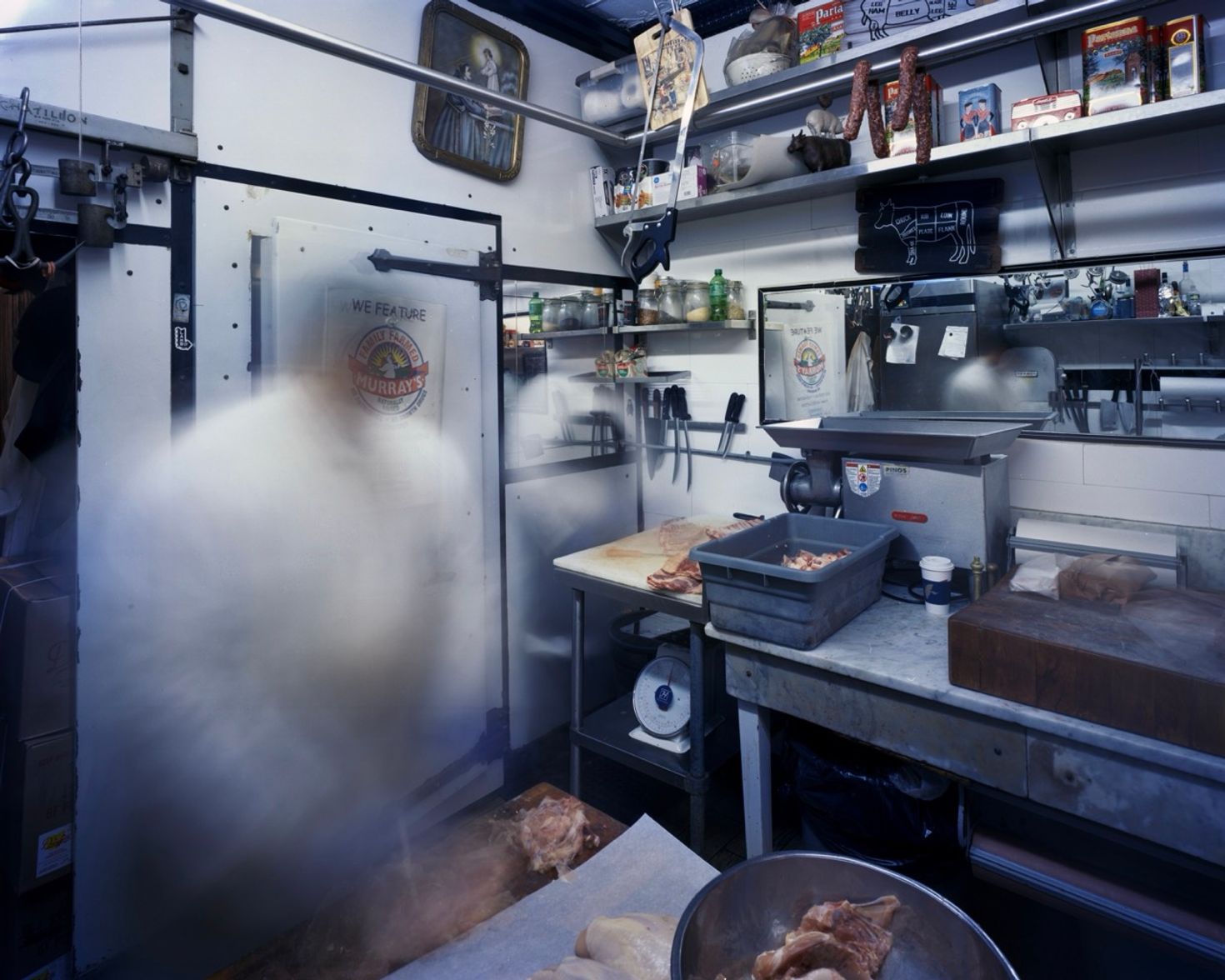
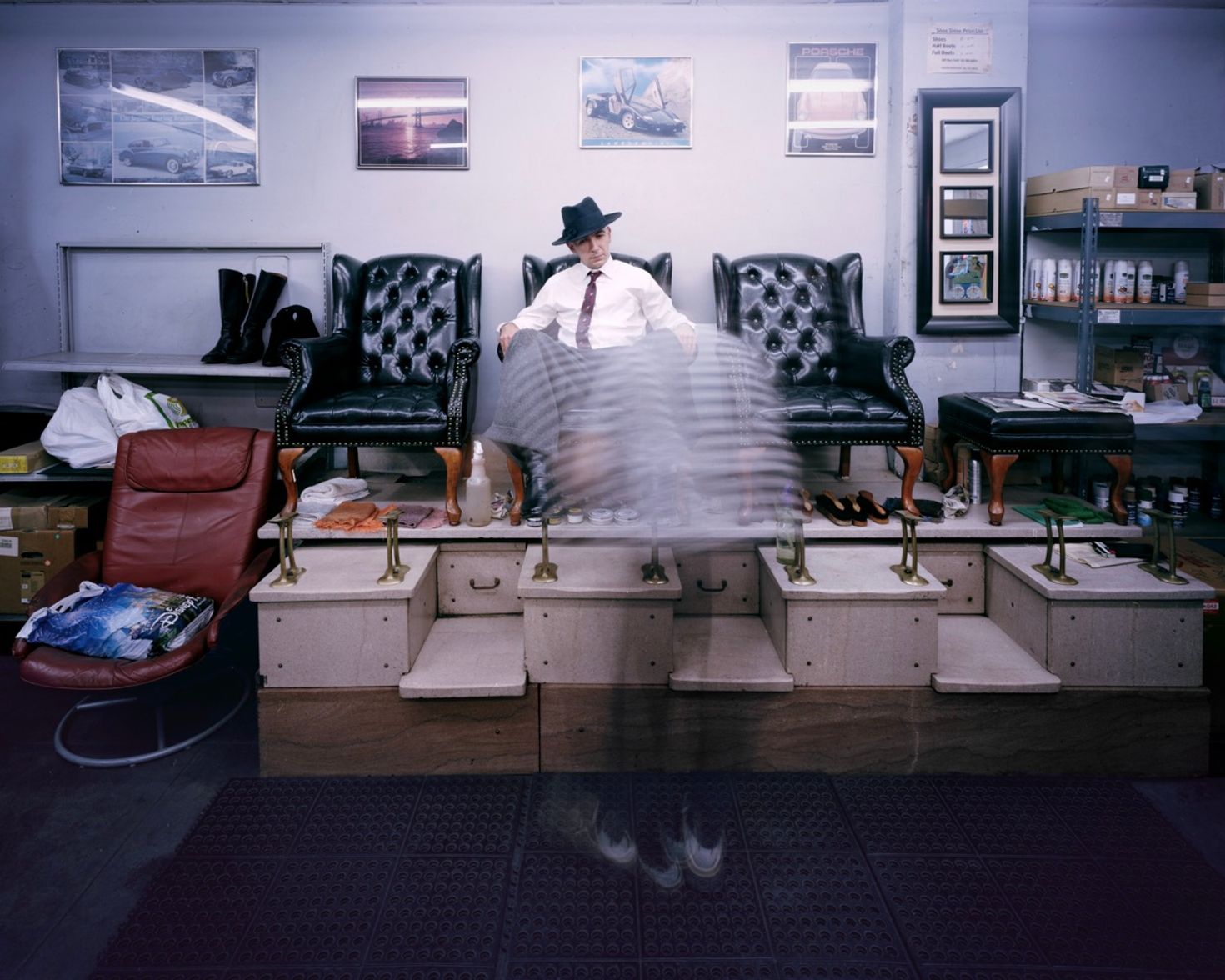
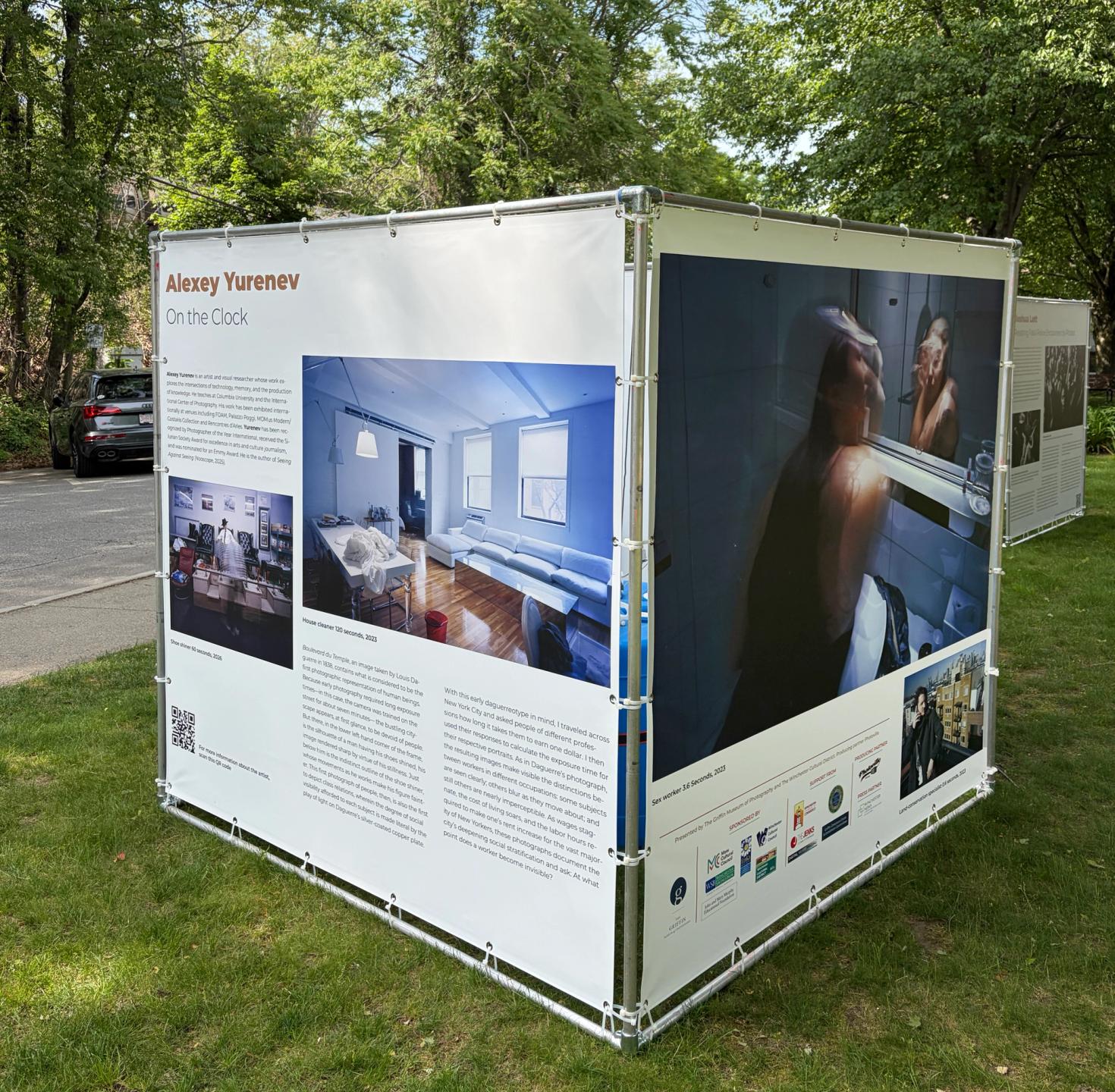
On the Clock portfolio published in the April print and online issue of Harper's Magazine "Boulevard du Temple,” an image taken by Louis Daguerre in 1838, contains what is considered to be the first photographic representation of human beings. Because early photography required long exposure times—in this case, the camera was trained on the street for about seven minutes— the bustling cityscape appears, at first glance, to be devoid of people. But there, in the lower left-hand corner of the frame, is the silhouette of a man having his shoes shined, his image rendered sharp by virtue of his stillness. Just below him is the indistinct outline of the shoe shiner, whose movements as he works make his figure fainter. This first photograph of people, then, is also the first to depict class relations, wherein the degree of social visibility afforded to each subject is made literal by the play of light on Daguerre’s silver-coated copper plate.

With this early daguerreotype in mind, I traveled across New York City and asked people of different professions how long it takes them to earn one dollar. I then used their responses to calculate the exposure time for their respective portraits. As in Daguerre’s photograph, the resulting images make visible the distinctions between workers in different occupations: some subjects are seen clearly; others blur as they move about; and still others are nearly imperceptible. As wages stagnate, the cost of living soars, and the labor hours required to make one’s rent increase for the vast majority of New Yorkers, these photographs document the city’s deepening social stratification and ask: At what point does a worker become invisible?

Rotterdam Photo Festival - Echoes of Silence

03.25.2026

Silent Hero: Seeing Against Seeing exhibition at the Rotterdam Photo Festival from March 25 until March 29 2026. I will be giving an artist talk on Friday March 27 at 16:45 CET.

Installation Design: Kirill Ass and Nadia Korbut

Seeing Against Seeing gravure edition acquired by Harvard University Library

03.15.2026

Gravure Edition #4/7 is acquired as part of the Special Collection at the Harvard University Library.

Book Launch at Columbia University Heyman Center for Humanities

02.17.2026

On February 17, 2026, Tuesday, 6:30 pm EST I will be in conversation about my book Seeing Against Seeing (Nooscope 2025) with Naeem Mohaiemen, Bogna Konior and Catherine Griffiths.

Location: The Heyman Center, Second Floor Common Room, Columbia University

This event is co-presented by the Machine Visions series, Visual Arts Dept, Columbia University School of the Arts.

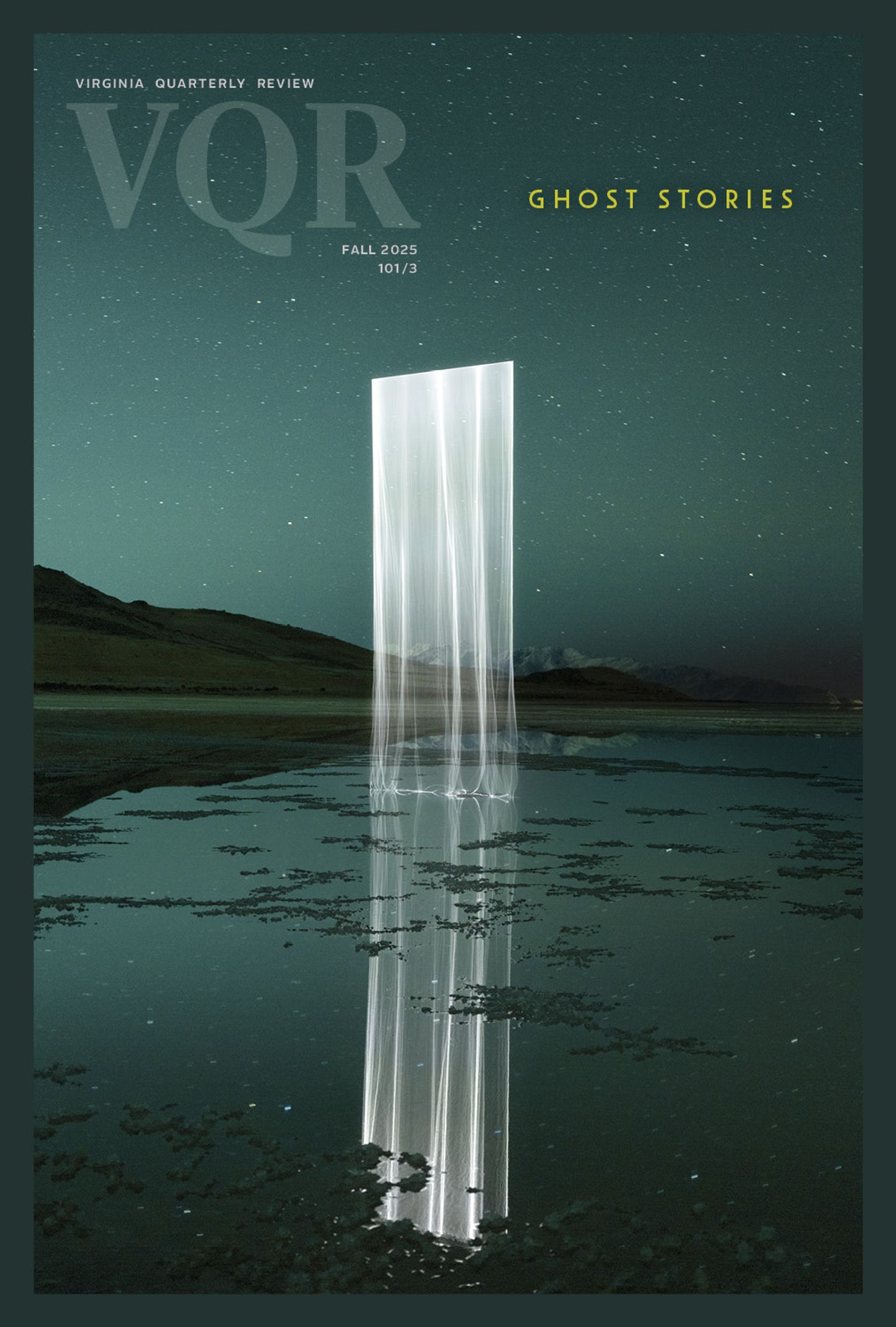
Silent Hero Portfolio and Essay in Virginia Quarterly Review

02.12.2026

Thirty six page Portfolio and essay, Silent Hero, published in Virginia Quarterly Review (Fall 2025)

Read it online here or buy the printed issue.

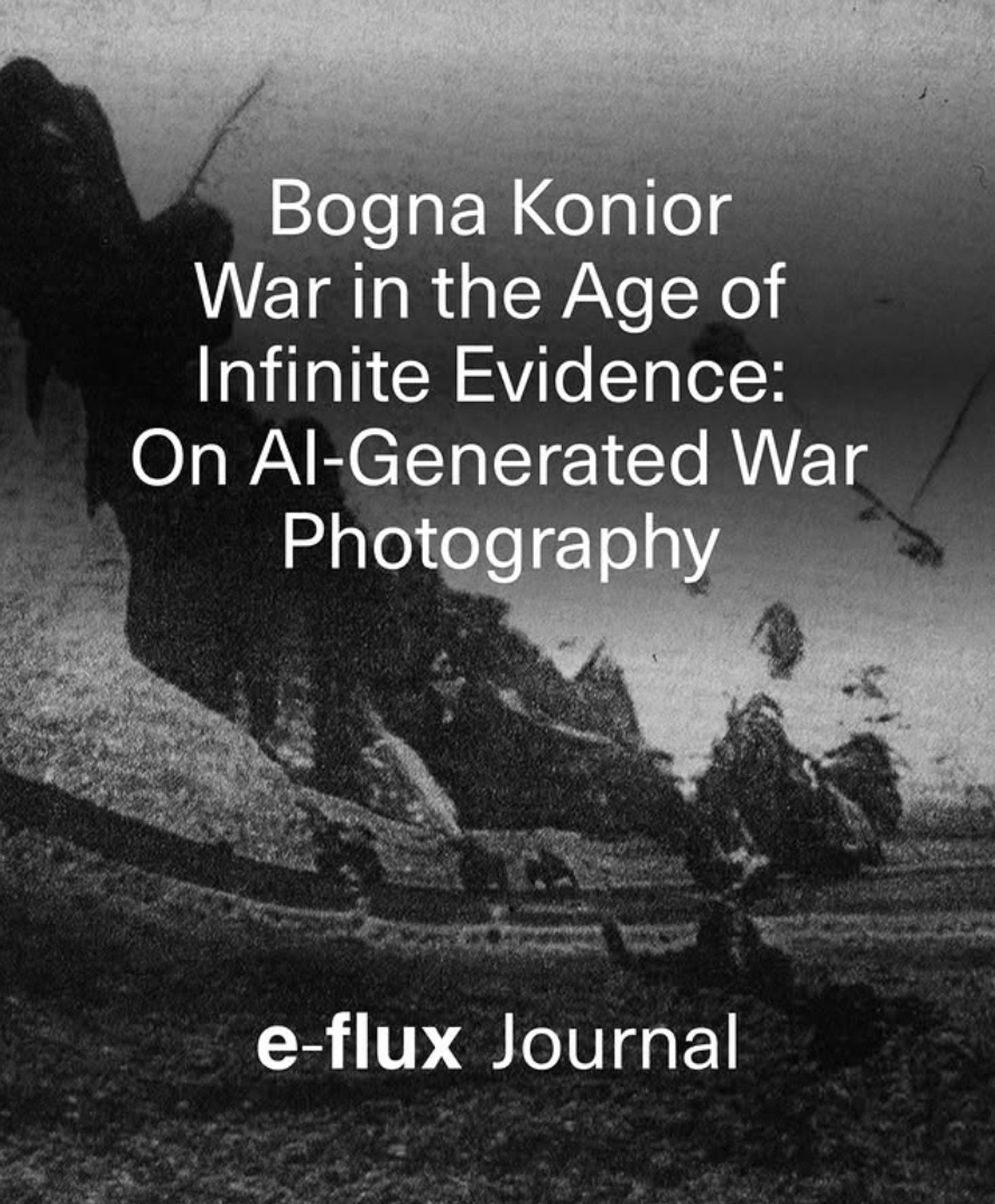
War in the Age of Infinite Evidence

02.08.2026

Bogna Konior's essay from my book Seeing Against Seeing is out on e-flux journal #160 read it here.

Lensculture Favorite Photobooks 2025

12.05.2025

Seeing Against Seeing selected in lensculture's favorite photobooks list.

Book Launch at FOAM Museum

11.28.2025

Join us on Friday, November 28 at 18:00 at FOAM editions for the book presentation of Seeing Against Seeing, the new book by artist and visual researcher Alexey Yurenev, developed with designer Teun van der Heijden. Foam's curator Claartje van Dijk will talk with Yurenev about the series featured in the publication and the creative process of making this artist book.

Lecture at The Royal Academy of Art, The Hague

11.17.2025

Monday Nov 17th, 12h30, I will be giving a guest lunch lecture that will take place at @photographyandsociety (MAPS) Studio, room CD.001 at KABK. Alexey Yurenev is an artist, visual researcher, and educator whose work explores the intersections of memory, technology, and production of knowledge. By enlisting various mediums such as photography, video, archives, and machine learning he seeks to create multi-vocal methodologies that penetrate traditional narratives of stable cultural histories. In his work, Alexey examines how technology and storytelling intertwine to shape our understanding of the past, future and present. He is fascinated by the dislocation of identity and how these shifts affect our collective social memory. Working with a wide range of mediums, he explores the intersection of technology and the mediation of memory. Alexey is Adjunct Faculty in the visual arts MFA Program at Columbia University and a faculty member at the International Center of Photography (ICP). His work has been exhibited internationally at venues including FOAM (Amsterdam), Hangar (Brussels), MOMus Modern/Costakis Collection (Thessaloniki), and Rencontres d’Arles. He is the author of the book Seeing Against Seeing (2025).

Exhibition at The Palazzo Poggi Museum

11.15.2025

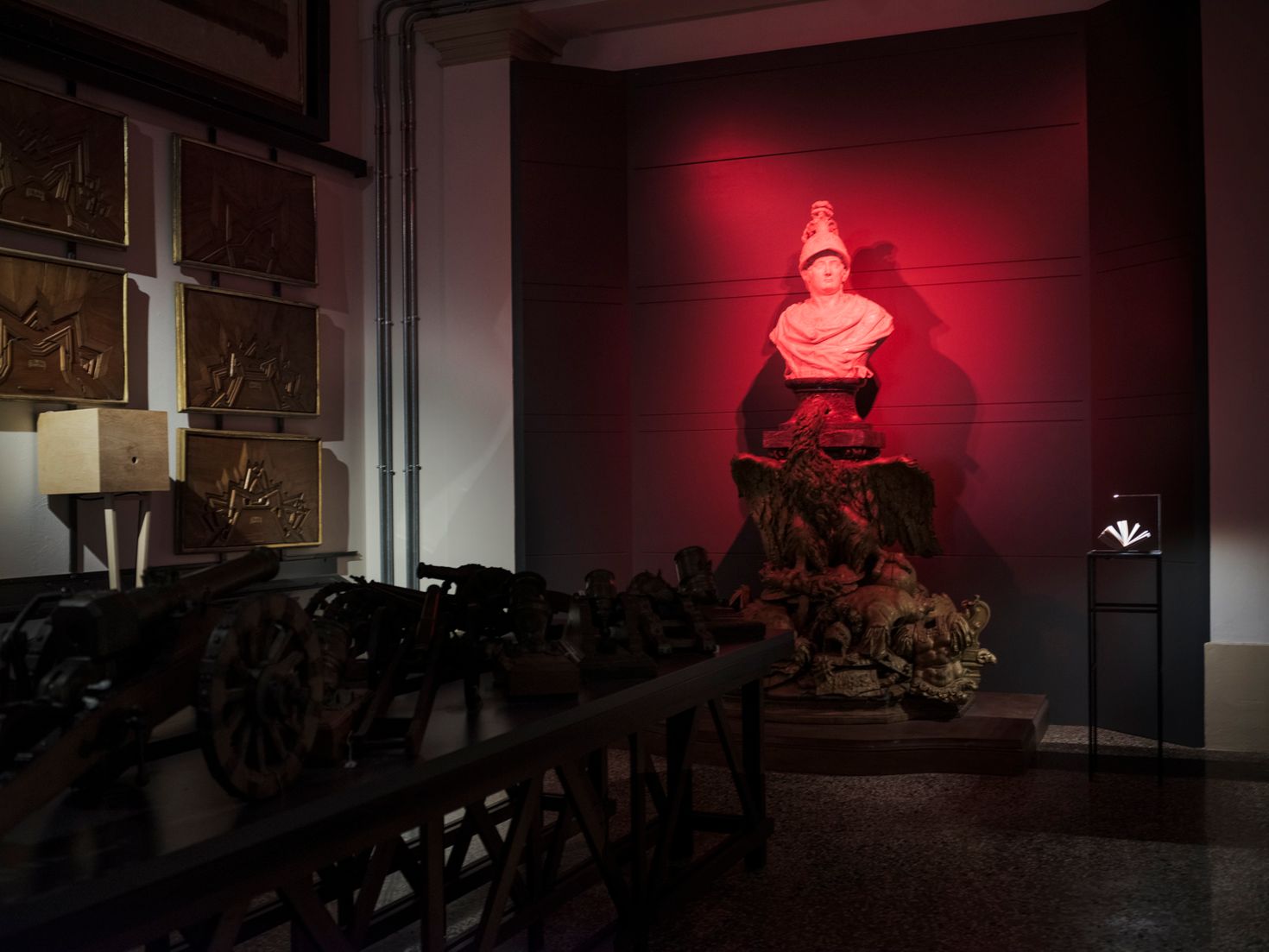
Silent Hero is part of the public program of PROMPTING THE REAL | Two days of exhibitions and public events exploring multiple practices of co-creation between artists and artificial intelligence at the Palazzo Poggi Museum in Bologna, IT.

PROMPTING THE REAL is an event by the Dipartimento di Informatica, Scienza e Ingegneria, Centro di Ricerca Interdipartimentale Alma Mater Research Institute for Human-Centered Artificial Intelligence, and Sistema Museale di Ateneo (@museiunibo) of the Università di Bologna (@unibo; @uniboper); curated by @sineglossa_, in collaboration with the Centro Nazionale di Ricerca in HPC, Big Data and Quantum Computing (ICSC) and the Istituto Nazionale di Fisica Nucleare (@infn_insights), under the patronage of the Unione Europea – NextGenerationEU | Ministero dell’Università e della Ricerca | Italia Domani | FAIR – Future Artificial Intelligence Research.

Installation Design: Kirill Ass and Nadia Korbut

Ecumenical War at MOMus Costakis Collection

06.12.2025

Seeing Against Seeing installation on display at MOMus Costakis Collection in Thessaloniki, GR as part of the exhibition Ecumenical War from June 12 until October 25

The timeless condemnation of war and the power that art has to always express the unspeakable in a revealing way and at the same time to give hope and function as a field of creation and survival in the darkest periods, are just some of the semiotic bases of the exhibition "Universal War. The artistic Avant-garde on the World War I front. Works from the Costakis collection" which is presented from 15 June to 25 October 2025 at MOMus-Museum of Modern Art, at the Moni Lazariston, in Thessaloniki. 

On the occasion of the 111th anniversary of the outbreak of World War I, the exhibition covers the period from 1914 to 1918 and explores how Avant-garde artists in Russia, responded to the greatest war in human history and its escalating outcomes until 1920.

The “Great War” was largely perceived as the final act of the Old World. World War I in the Russian Empire, as in the rest of the world, abruptly disrupted the flow of history and caused a rupture in artistic consciousness, especially in the philosophy of the avant-gardists of all forms of art. At the same time, while there were critical concerns and fear over the devastating consequences for life and the economy, artists of that time were seized by a revolutionary mentality that did not fear breaking with the past. Great samples of this artistic renaissance were artistic movements such as Cubo-Futurism, Suprematism, the early Constructivism of Tatlin, and its influence on the Dadaists were born; irrational poetic writing and atonal music also developed.

From the satirical images of 1914 to the transrational writing of Aleksei Kruchenykh and the non-objective art of Kazimir Malevich, Liubov Popova, Ivan Kliun, and others, and from the mystical writings of Velimir Khlebnikov and Pavel Filonov, aimed at exorcising war, to the tragic figures of amputee soldiers portrayed by Solomon Nikritin, the exhibition emphasizes the apocalyptic nature of the War and conveys strong anti-militarist messages.

As an epilogue to the exhibition, the work “Seeing Against Seeing” by the photographer and researcher Alexey Yurenev is presented. It is the result of a dialogue between Ernst Friedrich’s 1924 anti-war manifesto “War Against War!” —in which he compiled graphic photographs of World War I’s aftermath to expose its brutality—along with thousands of portraits from World War II era. AI trained to be fault evoke timeless portraits of war violence and evidence of the psychological terror it causes. Installation design: Kirill Ass and Nadia Korbut

Virtual Photography - Columbia University Press

02.01.2025

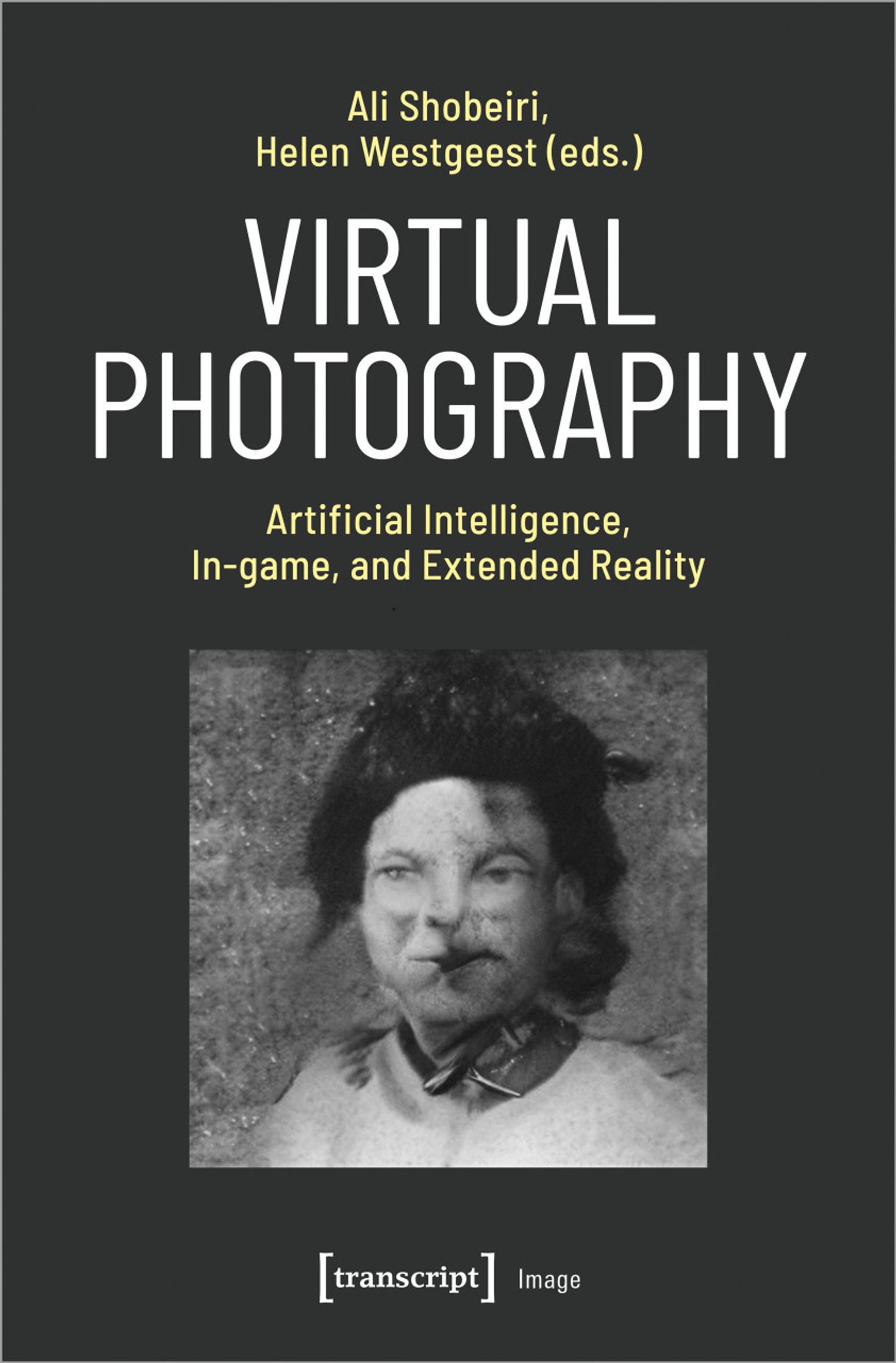
Ali Shobeiri uses Silent Hero in his analysis of virtual photography in the chapter Larval Memories.

Yogurt Magazine

11.15.2024

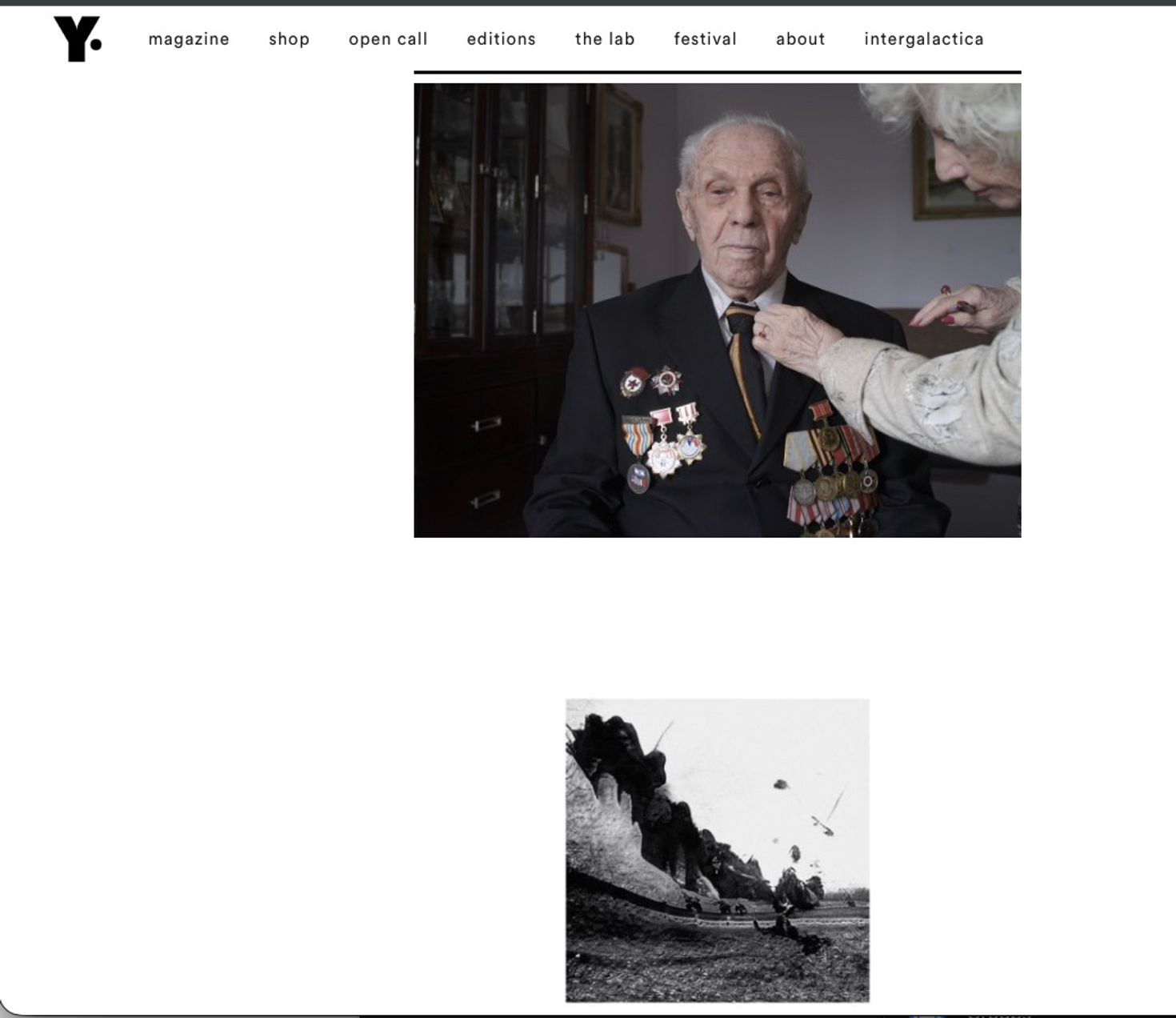
Silent Hero feature in Yogurt Magazine.

Missing Mirror exhibition FOAM Amsterdam

05.31.2024

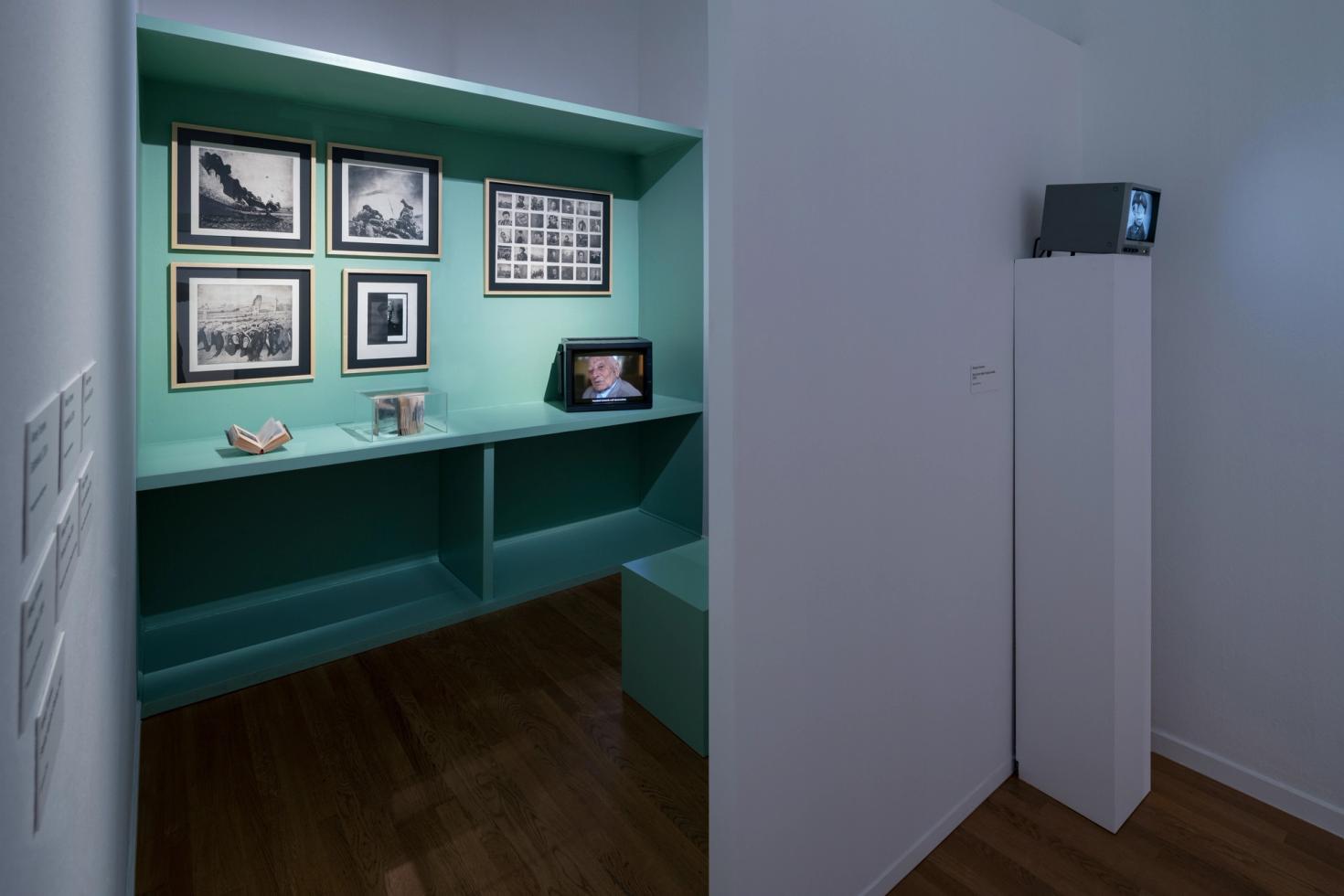
Seeing Against Seeing Artist Book

Photopolymer Photo Gravures

No One is Forgotten video loop CRT TV

War Actor Latent Spacewalk Sony surveillance monitor